
The Day You Hang Up the Tools: A Financial Plan for Tradies
For business owners in the thick of their career, the work can be all-consuming. After spending time and mental energy thinking about how to maintain profitability, fill your sales pipeline, look after your staff, and grow your business, it’s all too easy to forget about what comes next.
For tradespeople, who often have a physical limit on their ability to work on the tools, thinking about the financial future is particularly important. Imagine the day you walk off the job site for the last time. Are you set up financially, or will funding your retirement become an issue?

As always, we’ve teamed up with an expert in their field to help answer this question for Kiwi trades business owners.
Ben Stewart, Director of Private Wealth and Financial Advisor at Venture, shared with us his advice and insight.
Start thinking about your next steps early
Do you plan to work your business for many years to come? That’s fantastic, but planning for retirement is best started early. It doesn’t mean that you’re preparing to hang up your toolbelt; it's a wise move to think ahead and make sure your actions now line up with long-term goals.
Will you sell your business, eventually? Hand it down to an heir? Wind things down? Maintain ownership after you retire and bring in management? Whatever your chosen path, it’s important to plan for it.
Build wealth and savings outside of your business
Your business shouldn't be your only source of income; other investments are crucial. When you’re managing and working in it, it can be hard to see beyond it. The future is unknown, market changes and other forces could impact the value of your business as an asset.
Diversification is crucial, and your retirement plan should include savings (make sure you’re contributing to KiwiSaver!) and other investments such as property, shares, and other options.
Be prepared with an exit plan
The time may come when you want or need to sell or liquidate your business and move on.
In case this comes with a timeline, it’s crucial that you have a plan to come out of it with a nest egg. What this plan looks like will differ significantly according to your business, your goals, and other factors; a financial advisor can help you to come up with something solid and tailored.
Don’t let your books get cooked
Staying ahead of your tax obligations means avoiding debt and nasty surprises down the road.
A big tax bill can set you back in your retirement planning, so be careful to keep your books tidy and your GST and income tax obligations fulfilled. A good accountant and bookkeeper can help with this!
One of the most effective ways to plan well for your retirement is to seek help and advice from a professional. The people-first financial advice offered at Venture will set you up to live out your golden years the way you want to! The team has tailored solutions for property and business owners.
Sometimes a full review can seem overwhelming. Venture will help you to optimise your assets step by step and over time to achieve the outcome you desire. One of the first areas you can begin to tweak is your KiwiSaver!
Venture will help you:
Check you’re in the right risk profile
Check you are using a top fund according to your risk profile
Make sure you’re contributing the right amount
Ensure you’re increasing your contributions
Keep you invested
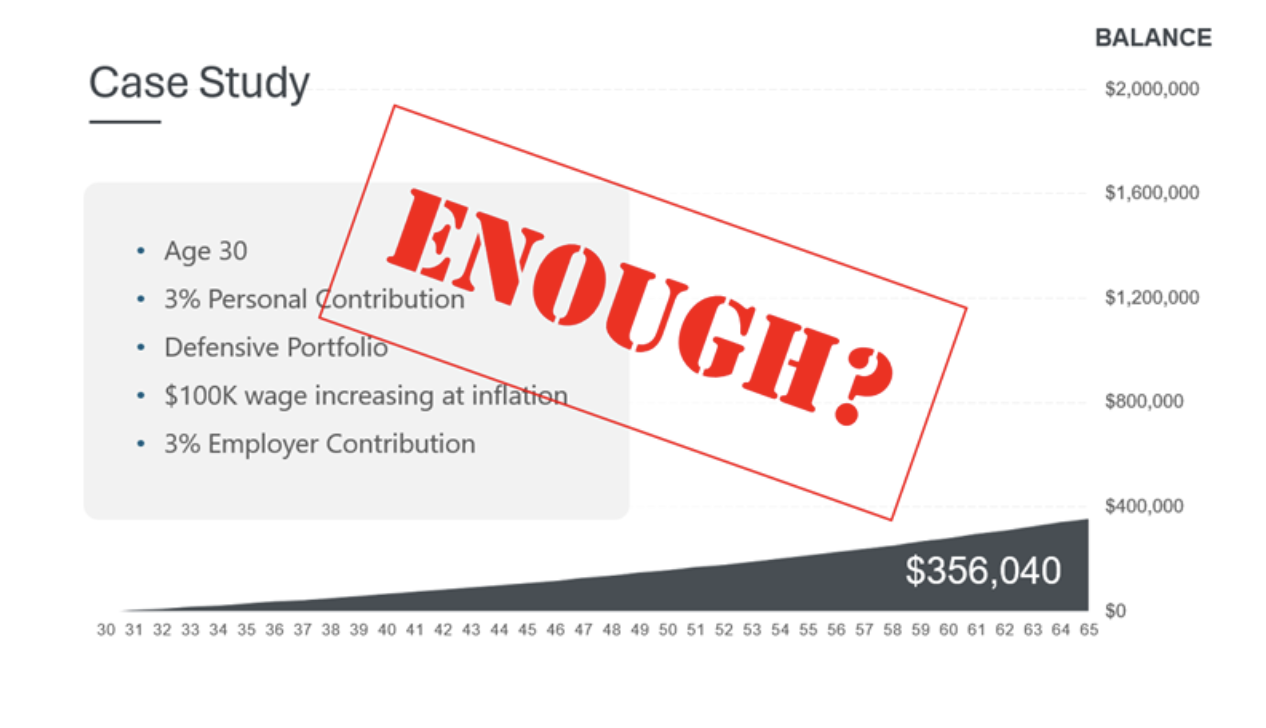
These five key areas can help to increase your retirement savings by 5x*.
Where you could be heading...
Your new destination after help from Venture…
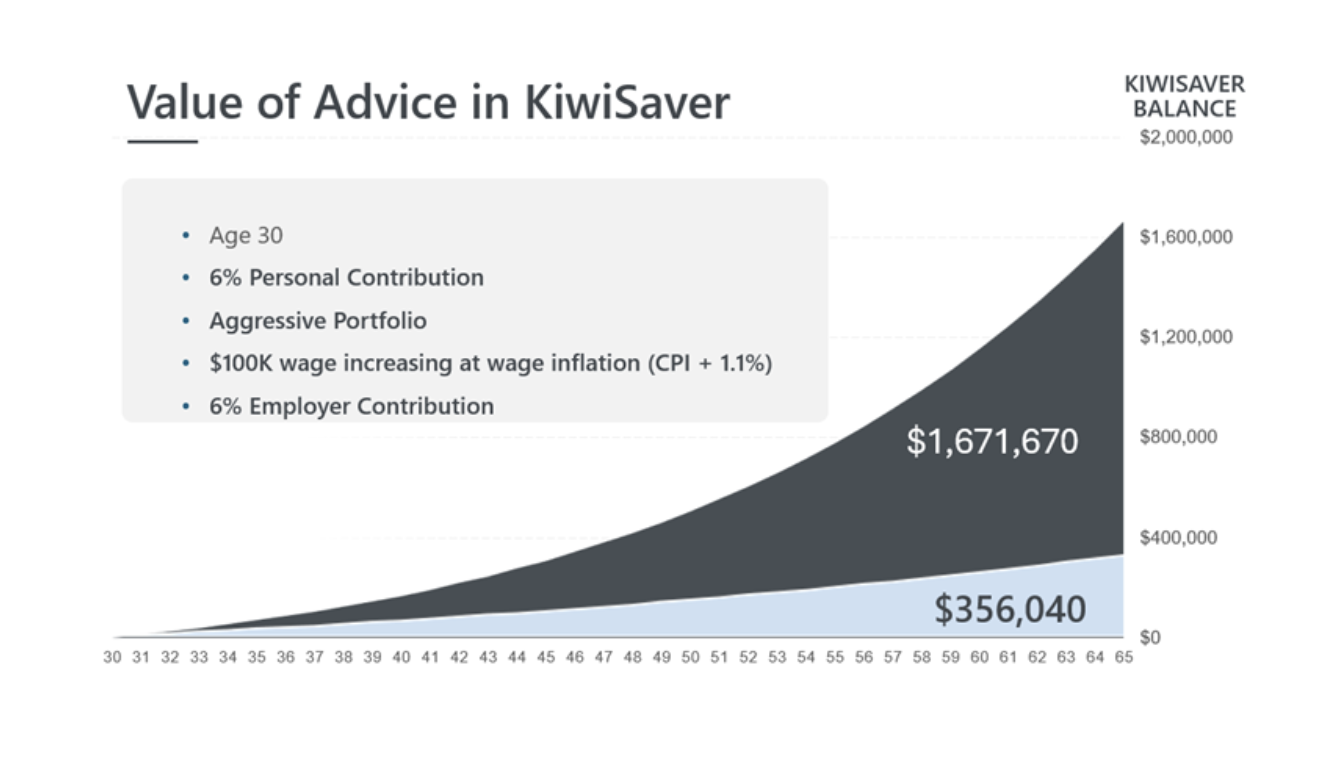
*Important note:
The “up to 5x” figure is illustrative only and is based on the assumptions and projections used in the example shown. It is not a guarantee of future outcomes and individual results will vary.
Disclaimer
This information is general in nature and does not constitute personalised financial or KiwiSaver advice. The examples and projections shown are illustrative only and based on assumptions that may change. Actual outcomes will differ and returns are not guaranteed. KiwiSaver investments can go up or down. Before making any decisions, you should consider your own circumstances and seek advice from a licensed financial adviser.